
Plan blasting, coating and surface-preparation air supply
Surface Treatment Air Compressor Malaysia
Surface treatment air compressor Malaysia enquiries start with the tool or nozzle, working pressure and finish requirement. Compare MAC3 compressor and air-treatment proposals against the same blasting or coating duty, then request an itemised RM quotation for the package actually supplied.
Table of Contents
Toggle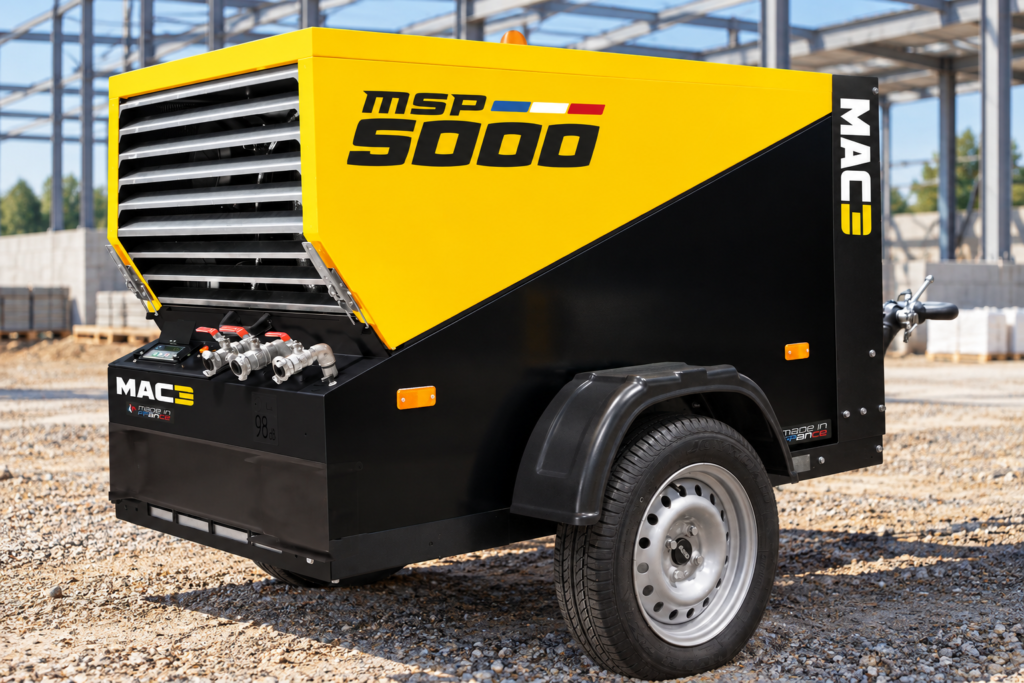
Compare surface treatment air compressor and tool ranges


Surface Treatment Air Compressor Malaysia: 7 best planning checks
Use these checks to prepare a proposal for blasting, coating and surface preparation. Keep documented requirements separate from assumptions, and ask the offer to identify the exact model and relevant technical information.
A surface treatment air compressor enquiry should identify the work being performed: abrasive blasting, coating, airbrushing or another specific process. Describe the equipment and the required finish, and include the process supplier’s relevant instructions. A broad label such as surface preparation is not a complete equipment specification.
Separate different tasks in the enquiry. If a workshop uses several tools, list each one and explain which operate together. State whether the work is performed at a fixed bay or at changing outdoor locations. Provide normal working hours and describe short busy periods separately from continuous operation.
Keep the surface treatment air compressor selection tied to these actual requirements. Catalogue images help you explore ranges; the offered model, configuration and documented operating point should be identified in the technical proposal before an order is approved.
For a surface treatment air compressor comparison, provide the blasting nozzle reference or tool model, its documented air consumption and required inlet pressure. Attach the equipment supplier’s consumption table where available and retain the stated units and reference conditions. Identify information that is estimated or still awaiting confirmation.
List the number of tools used at the same time and explain the expected working cycle. Do not combine intermittent and continuous tasks into an unexplained peak number. For an existing installation, include the compressor model and a description of what the operator observes during normal and busy periods.
Ask Vortex to explain the proposed surface treatment air compressor selection against this duty. A motor rating or rounded CFM class alone should not replace the model-specific delivery information and the air demand of the equipment actually being supplied.
State the pressure required at the surface-treatment equipment inlet, not just the existing compressor setting. Describe the hose route, approximate lengths, connections and treatment components included in the proposed arrangement. Give the supplier a simple layout showing the compressor and work position.
A surface treatment air compressor proposal should identify the operating point used for selection and the scope of any assessment of the connecting arrangement. Ask which hoses, fittings and other accessories are included and which are customer-provided. If the work position changes, explain the normal and most demanding locations separately.
Have the responsible site team review the final arrangement using the equipment instructions and agreed scope. Keep the selected operating point and connection schedule with the quotation rather than assuming that every catalogue package supplies the same result at every work position.
Provide the process or coating supplier’s moisture and contamination requirements, including where those conditions must be met. Describe any observed water, oil or finish-quality concern without treating the symptom as a confirmed diagnosis. Attach available records and explain when the problem occurs.
Review the surface treatment air compressor with its proposed dryer, filters, drains and other treatment equipment. Ask the offer to identify the exact treatment configuration and the relevant performance information for the stated operating conditions. Distinguish new supply from retained equipment and ask what further information is needed before confirming the package.
Keep process-specific air quality separate from general claims such as clean air. A surface treatment air compressor enquiry is clearer when the technical schedule records the actual requirement, the agreed supply point and the verification included in the project rather than promising a universal finish outcome.
State the Malaysia site location, available utilities, operating environment and equipment position. For outdoor or changing work locations, describe transport, access and positioning needs. Ask for model-specific dimensions, weight, operating limits and the supplied mounting arrangement before approving the installation plan.
When considering a portable surface treatment air compressor, distinguish the offered skid, axle or trailer configuration from a reference photograph. Confirm delivery, unloading, positioning and connection responsibilities in writing. Include any shutdown window or access restriction that affects the proposed work.
If a fixed installation is being reviewed, provide the existing air route and retained receiver or treatment information. Ask the quotation to distinguish equipment supply from site piping, electrical work and commissioning. The accepted scope should make customer preparations and supplier responsibilities visible.
Ask the surface treatment air compressor quotation to list the compressor, receiver where applicable, treatment equipment, hoses, connections and tool accessories supplied. Identify retained items and any components provided by another party. Compare offers against the same process duty and package boundary.
For blasting equipment, ask the proposal to identify the actual machine, compatible supplied accessories and applicable operating documents. Do not assume every product card shown on this page is a required or compatible part of one system. Keep the proposed equipment schedule separate from the wider catalogue.
Request itemised RM pricing for equipment, delivery, installation and commissioning where included. Confirm timing, taxes, warranty conditions, quotation validity and exclusions. If the selected model or scope changes during review, update both the technical schedule and commercial offer before purchasing approves the order.
Request the operating and maintenance instructions for the selected compressor, treatment components and tools. Keep model and serial references available for later parts enquiries. Ask the offer to identify supplied initial consumables, relevant wear-part references and any service arrangements quoted separately.
For an existing surface treatment air compressor installation, send accessible nameplate photographs, available service history and a description of the observed concern. Explain changes in the tools, working hours or process since the original equipment was selected. Avoid prescribing a repair or replacement solely from one symptom.
Before handover, agree which equipment records, instructions and commissioning information will be supplied. Assign responsibility for routine inspections within the site team. A documented support scope gives purchasing and maintenance a clearer basis for planning than an unsupported promise of universal availability or a fixed service interval for every installation.
Surface treatment air compressor: practical questions
Send the compressor nameplate, blasting equipment and nozzle references, the current hose arrangement and a short account of when the difficulty occurs. Note how many users are active, how long the busy period lasts and whether other air users operate at the same time. Include available operating readings and mark information that has not been measured.
This describes the problem for review; it does not establish that the compressor alone is the cause. Ask the surface treatment air compressor proposal to distinguish further assessment, equipment supply and any connection or treatment changes. Keep the accepted scope in writing so a replacement quotation is compared with the work the site actually needs.
Yes, but describe the two duties separately. Provide each process requirement, operating pattern, work location and available utilities. Identify whether the same air supply serves both areas and which activities overlap. Ask the supplier to explain whether it is proposing one arrangement or separate packages for the duties you have listed.
A surface treatment air compressor comparison should not merge different pressure, air-quality or transport requirements into an unexplained total. Keep the process supplier’s instructions with each duty schedule and ask for assumptions to be identified. This gives purchasing a clearer basis for comparing offers without claiming that one model suits every surface-treatment task.
Use a comparison sheet with separate rows for the compressor, treatment, receiver where applicable, hoses, connections, tools, delivery and local work. Mark each item as included, retained, customer-provided or excluded. Record unanswered questions before treating the prices as equivalent.
Ask each surface treatment air compressor offer to use the same documented process duty. Keep proposed alternatives and optional equipment separate from the base scope. For a mobile-machine enquiry, see the portable diesel compressor guide; for a fixed supply, compare the relevant screw compressor range against the required duty. No catalogue link replaces the technical selection for your project.
What should the written quotation include?
Ask for the exact equipment, included components, delivery terms, warranty and any installation or service responsibilities. Provide your actual Malaysia site location and required timing. Itemised pricing and stated exclusions help your team compare equivalent offers.
What documents help the enquiry?
Identify blasting, coating, airbrushing or another specific task. Describe the substrate and equipment used so the enquiry refers to an actual process. Provide the nozzle size or tool model and its documented air requirement. Explain the expected working period and any simultaneous users. Keep the relevant equipment records and process specifications with the accepted proposal.
For related enquiries, see maintenance and spare-parts support. Manufacturer information is available from MAC3.
Call +60 12-599 9674 or +60 12-275 7317 to discuss your requirements with Vortex Compressors.