
Setting a New Benchmark in Piston Technology
Reciprocating Air Compressor Malaysia
Reciprocating Air Compressor Malaysia. Compare reciprocating air compressor Malaysia options using the exact working pressure, required air delivery and operating pattern. Keep single-stage and two-stage piston models distinct from screw compressor ranges.
Table of Contents
Toggle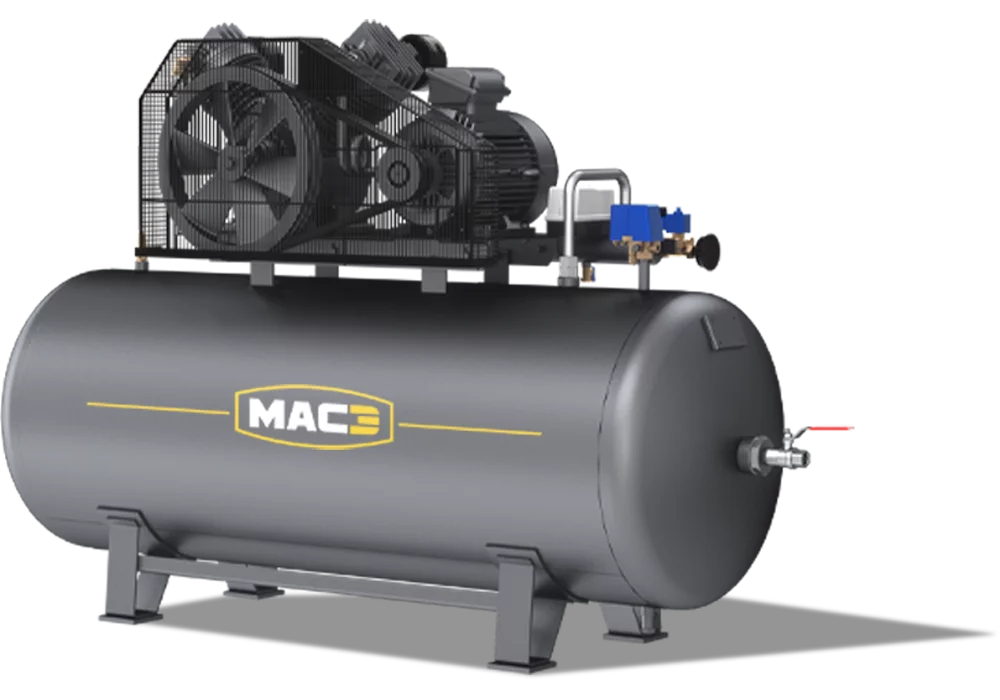
Our Commitment to You
Contact Vortex Compressors with your site location, equipment details and required scope. Call +60 12-599 9674 or +60 12-275 7317. Confirm model, availability, delivery, warranty and any service arrangements in the written offer.
Reciprocating Air Compressor Malaysia: 7 best selection checks
Use the following checks to compare the actual equipment and supplied package. Keep documented requirements separate from assumptions, and ask the offer to identify the exact model and relevant technical information.
A reciprocating air compressor enquiry should explain the tools or processes that need air and how they operate. List the users, their required pressure and documented consumption. Identify which operate simultaneously, how long each working cycle lasts and when the system is idle. Include operating hours and any change in production planned for the installation.
Ask the supplier to confirm the offered piston model’s documented duty limits and permitted operating conditions. An intermittent workshop requirement and a sustained production requirement should not be treated as the same duty simply because the motor ratings are similar. Keep measured readings separate from estimates and identify the conditions behind each figure. The accepted technical schedule should state what the selected equipment is expected to supply.
For a replacement, provide the existing nameplate, operating history and connected equipment list. Explain whether the new compressor replaces the same capacity or supports a different workload. This gives the proposal a clear basis for selecting the model, receiver and supplied accessories.
This range includes MAC3 MSPC S single-stage piston and MAC3 MSPC T two-stage piston equipment. Ask each proposal to identify the exact model and its delivered airflow at the required pressure. Keep these piston families distinct from two-stage screw compressors when comparing alternatives. The number of compression stages is not a complete selection specification.
Use model-specific performance information and common units across offers. Distinguish inlet displacement from delivered-air figures and keep the reference conditions visible. Motor power, receiver size and a general family label do not establish the usable air supplied to the process. Ask the quotation to explain the selection against the duty and operating pattern you have provided.
Review the complete package rather than assuming every configuration within a family includes the same receiver, controls or accessories. Retain the exact model schedule and manufacturer documents with the commercial offer so the equipment delivered can be checked against the approved proposal.
The MAC3 BOOSTER range increases pressure from an existing compressed-air supply. It should be assessed with the upstream compressor and treatment arrangement, rather than treated as an interchangeable substitute for an ordinary workshop piston compressor. Provide the available inlet pressure and flow, required outlet pressure and process consumption.
Ask the proposed booster model’s documents to state the performance at those inlet and outlet conditions. Include other users sharing the upstream air supply and explain when their consumption overlaps. Confirm which receiver, controls, treatment and connections are included in the booster package. Give the relevant component documentation to the person responsible for assessing the complete installation.
For comparison purposes, keep the booster requirement separate from the MAC3 MSPC S and MSPC T enquiry. The accepted quotation should identify the equipment, operating point and package boundary for each part of the proposed system, including any retained components.
Send the Malaysia site location, available electrical information, proposed equipment position and delivery route. Ask for the exact model’s dimensions, weight, connections, starting requirements and ventilation information. Include access restrictions that affect positioning or later maintenance. Have the site’s responsible installer review the proposed utilities and connection scope.
Distinguish compressor supply from unloading, positioning, electrical work, piping and commissioning. For a replacement, identify retained equipment and the available production shutdown window. Ask which preparations the customer must complete before delivery and whether a site assessment forms part of the proposal.
A reciprocating air compressor quotation should keep these installation responsibilities in writing. Compare the same scope across alternatives, especially where one offer includes work that another leaves to the customer. Keep the accepted layout and technical schedule together so the project team can prepare the location using the correct equipment information.
Ask whether the proposed reciprocating air compressor package includes a receiver and identify its configuration and relevant documentation. Review receiver selection together with demand variation and the offered model’s duty limits. A larger receiver stores more compressed air; it does not increase the compressor’s documented continuous delivery.
Give the air-quality requirement of the connected tools or process, including moisture, particles and oil where relevant. Ask the quotation to list the dryer, filters, drains and other treatment components included. State where the process specification must be met and describe any existing moisture or contamination problem.
Review pressure losses and service access across the complete arrangement. If existing treatment remains, provide model information and available maintenance records. Confirm condensate connections and responsibilities for retained pipework in the installation discussion. The equipment schedule should identify what is supplied, what remains and what the customer provides.
Request the operating and maintenance instructions for the exact MAC3 MSPC S, MSPC T or BOOSTER model offered. Identify applicable lubricant, wear-part and consumable references rather than ordering only from a broad family name. Confirm which initial consumables and documents are included and which service arrangements are quoted separately.
For an existing piston compressor, send the nameplate, operating hours and available maintenance history with a service enquiry. Describe symptoms and the conditions under which they occur without assuming a diagnosis. Ask the service proposal to identify the work being assessed and how any additional findings will be handled.
Check access to routine service points before approving the final position. Give the maintenance team the accepted equipment list and warranty conditions so the planned care matches the supplied configuration. Retain operating, commissioning and service records together to support later parts enquiries and replacement planning.
Compare reciprocating air compressor prices using the exact model, working pressure and supplied package. Ask for an itemised RM quotation identifying the compressor, receiver, controls, treatment, accessories and delivery. Show installation and commissioning work separately and confirm taxes, timing, warranty, exclusions and quotation validity.
Before ordering, reconcile the technical schedule with the required airflow, duty, pressure and available utilities. Ask the production, installation and maintenance teams to review the same documents. Agree what operating instructions, equipment records and handover information will be supplied, including any project-specific checks that form part of the accepted scope.
If the selected model or package changes, update both the technical and commercial schedules. A clear comparison should make differences in equipment and responsibilities visible rather than treating every motor rating or receiver arrangement as equivalent. Keep the final accepted documents available when the equipment arrives.
Practical buyer questions
Use a short operating log instead of choosing a compressor from the busiest moment you remember. Record which tools run, roughly when they overlap and how long each busy period lasts. Add the pressure required at the tool and note whether the existing machine recovers between jobs. A body shop, repair bay and assembly bench can have different working patterns even when they share one receiver.
For example, describe a normal shift, a busy morning and any planned new workstation separately. Send the tool data sheets and mark any unknown consumption figures for confirmation. This lets Vortex compare the proposed piston package against a clear workload rather than a motor rating alone. The example is an enquiry format, not a capacity recommendation.
Make a retained-equipment list with each item’s model, nameplate photograph, connections and available service records. Add a simple sketch showing the proposed compressor position and the existing air route. Ask the proposal to distinguish items that will be reused from new supply and any work still requiring assessment. Do not approve a replacement solely because the piping connection looks similar.
Give the same information to everyone pricing the project. If one proposal replaces treatment while another keeps it, show that difference beside the quoted price. A clear reuse schedule also helps your installer plan the shutdown and helps the maintenance team identify which manuals and parts lists apply after handover.
Create one comparison sheet with a row for delivered airflow at the required pressure, the documented working pattern, receiver arrangement, treatment, controls and installation scope. Record missing information as a question for the supplier instead of assuming both packages include it. Keep the commercial comparison beside the technical schedule.
Ask the production and maintenance teams to review unresolved items before purchasing approves an offer. If an alternative model is suggested, request the revised schedule and price together. This gives your reciprocating air compressor Malaysia enquiry a consistent basis from first quotation through delivery, without treating a cheaper incomplete package as an equivalent offer.
What should the written quotation include?
Ask for the exact equipment, included components, delivery terms, warranty and any installation or service responsibilities. Provide your actual Malaysia site location and required timing. Itemised pricing and stated exclusions help your team compare equivalent offers.
What documents help the enquiry?
Describe continuous and intermittent use and request the proposed model’s applicable duty limits. Compare delivered airflow at the required pressure rather than only displacement or motor size. Keep the relevant equipment records and process specifications with the accepted proposal.
For related enquiries, see maintenance and spare-parts support. Manufacturer information is available from MAC3.
Call +60 12-599 9674 or +60 12-275 7317 to discuss your requirements with Vortex Compressors.