
Compressor Condensate Treatment Malaysia
Compressor condensate treatment for factory drain systems
Compressor Condensate Treatment Malaysia. Plan compressor condensate treatment Malaysia enquiries around the connected drains, compressor lubricant and actual operating conditions. Ask for the proposed SEPREMIUM equipment and maintenance scope to be identified in writing.
Table of Contents
Toggle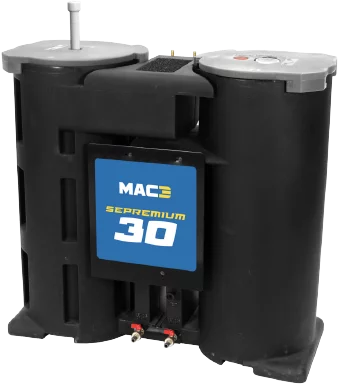
Identify the collection points and treatment duty
List the compressor, receiver, dryer and filter drains connected to the condensate system. Include their current arrangements and any changes planned for the installation. Ask the proposal to identify the treatment unit, connections, consumables and the basis used for sizing.
SEPREMIUM manufacturer information
MAC3 describes SEPREMIUM as an oil-water separation solution using filter media to treat compressor condensate. Confirm compatibility with the actual lubricant and operating conditions, together with the offered model’s documented performance. Read MAC3’s SEPREMIUM product explanation. Equipment selection alone does not establish the compliance of a particular site or its discharge arrangement.
Information needed for a Malaysia quotation
- Compressor models, capacity and number of connected machines.
- Lubricant type and relevant product information.
- Running hours, operating pattern and installation environment.
- Existing drains, collection points and condensate handling.
- Site location, available space and requested installation scope.
Include service and consumables
Ask for filter-element requirements, inspection instructions and replacement availability. Confirm who will assess the site’s handling and discharge requirements. Use our maintenance page and parts enquiry page for the ongoing support discussion. For the broader system, see compressed-air treatment equipment.
Our Commitment to You
Discuss your Malaysia project with Vortex Compressors. Call +60 12 275 7317 or send your requirements on WhatsApp. Include the site location, existing equipment and required work. The quotation confirms the scope, price, availability and timing.
Compressor condensate treatment: SEPREMIUM selection
- Confirm treatment capacity for the connected equipment and actual operating conditions.
- Check compatibility with the compressor lubricant and condensate characteristics.
- Identify included filter elements, indicators and connection requirements.
- Request documented performance and the applicable inspection instructions.
- Confirm consumable prices, availability and installation responsibilities.
Compressor Condensate Treatment Malaysia: 7 best selection checks
Use the following checks to compare the actual equipment and supplied package. Keep documented requirements separate from assumptions, and ask the offer to identify the exact model and relevant technical information.
For compressor condensate treatment, begin with a list of the connected compressor, receiver, dryer and filter drains. Identify the existing drain types and where each discharge currently goes. Include any equipment being added or removed and provide a simple layout showing the collection routes and proposed treatment location.
Ask the proposal to identify the SEPREMIUM model and the basis used for its selection. Keep present equipment and planned expansion separate. A complete drain inventory helps the supplier understand the treatment duty and identify connection work outside the equipment supply. Retain the accepted layout with the treatment and maintenance documents.
Provide the connected compressor models, operating hours and working pattern. Include normal shifts, shutdowns and any significant changes in loading. Explain the installation environment and provide available operating information rather than assuming that every compressor with the same motor power produces the same condensate duty.
Ask the supplier to state the conditions used to size the proposed condensate treatment unit. If existing equipment is being replaced, send its nameplate, service records and a description of any observed problem. Distinguish measured information from estimates. Keep the selection basis with the quotation so later changes in equipment or operating conditions can be reviewed against the original proposal.
Identify the lubricant actually used in each connected compressor, with the product reference where available. If several compressors use different lubricants, list them separately and explain whether their condensate is collected together. Provide any known information about the condensate characteristics or problems observed in the existing collection arrangement.
Ask for compatibility confirmation for the proposed SEPREMIUM configuration and filter media. A family description should not replace an assessment of the actual connected equipment and operating conditions. Record which information the supplier has reviewed and any further information required before selection. Include these details with the accepted technical schedule and future consumable references.
Ask the compressor condensate treatment quotation to identify the exact model, included filter media, indicators and connections. Request the manufacturer’s relevant performance and operating information for the proposed configuration. Keep the equipment boundary clear where the project includes drains, collection piping or other accessories.
Ask which conditions the documented performance applies to and what routine checks are required after installation. Confirm who will review the site-specific discharge requirements and what verification, if any, forms part of the agreed scope. Do not infer the complete installation’s acceptance from a general product description. Retain the supporting documents with the final equipment list.
Send the Malaysia site location, proposed layout, available space and access restrictions. Identify the drain connections and collection routes that will remain and the new work required. Ask the proposed model’s documentation to confirm connection details and installation requirements before approving the location.
Distinguish treatment-unit supply from connection piping, positioning, changes to drains and commissioning. Include access for inspection and filter-media replacement in the layout review. If installation must fit a production shutdown, state the available window and identify equipment that must remain operational. Keep customer preparations and supplier responsibilities in the written scope so the connection arrangement is clear.
Request the inspection and replacement instructions applicable to the selected SEPREMIUM model and media. Ask for correct consumable references, included initial elements and separate replacement pricing. Confirm which indicators or routine checks the site team should use according to the supplied documentation.
For an existing condensate treatment installation, retain records of inspections, filter changes and changes in connected equipment. Provide those records when requesting service or reviewing capacity. Confirm warranty conditions and the support included with the offer. Keep the model and consumable list accessible to the person ordering parts so the correct configuration can be identified without relying on a generic catalogue name.
Compare compressor condensate treatment prices using an itemised RM quotation for the unit, media, connections and agreed installation work. Confirm taxes, delivery timing, warranty conditions, exclusions and quotation validity. State which existing drains and collection components remain in use and which are replaced.
Before ordering, reconcile the connected equipment, lubricant information and selection basis with the technical schedule. Agree the operating instructions, inspection information and commissioning records to be supplied. Have the responsible site team review the discharge arrangement and any required verification within the agreed project scope. If equipment or connections change, update the accepted documents together before handover.
Compressor condensate treatment: buyer questions
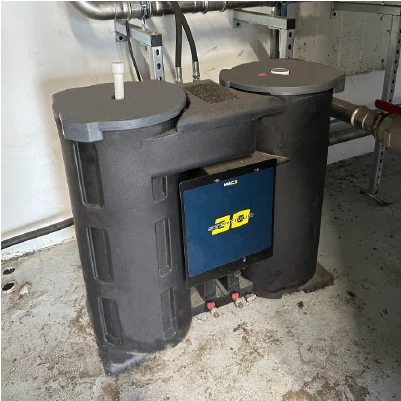
Send clear photographs of each connected drain, the collection piping, the existing treatment unit and its nameplate. Include a wider view showing the proposed location and access for inspection. Label the photographs against a simple equipment list so the reviewer can identify which compressor, dryer or receiver each connection serves. Images support the initial discussion; they do not replace any site assessment included in the eventual scope.
If the enquiry concerns an observed problem, describe when it occurs and what the operator noticed. Include recent maintenance information and any changes in connected equipment or lubricant. Avoid opening equipment solely to obtain a photograph; use existing records and accessible labels when preparing the enquiry.
Show the current installation and planned additions as two separate schedules. For each future machine, provide the model and expected operating pattern if known, and identify the expected project stage. Ask the supplier to state whether the proposed condensate arrangement covers the existing duty, the future duty or an agreed phased configuration.
Keep uncertainty visible. An unconfirmed expansion idea should not be presented as an installed machine, and an accepted future requirement should not disappear from the quotation comparison. Record which selection assumptions would need another review if the number of connected compressors or the working schedule changes. This makes later additions easier to assess against the original project documents.
Begin with the existing unit’s model, media references and available service history. State whether the project replaces only the treatment unit or also changes drains and collection connections. Describe the required production window and identify who will coordinate the site work. Ask the offer to list supplied materials and customer preparations separately.
Before ordering, have the project owner check the connection schedule against the agreed scope. Keep operating instructions and consumable references with the replacement records, and identify the person responsible for routine inspections after handover. For compressor condensate treatment Malaysia projects, a documented replacement boundary helps purchasing compare the same work across offers and gives the site team a usable record of what changed.
Keep a short equipment record beside the purchasing request: treatment-unit model, serial reference if available, installed media description and the date of the last recorded change. Attach a photograph of the accessible nameplate and the relevant page from the supplied parts information. Ask Vortex to confirm the correct reference before an order is approved.
Tell the reviewer if the connected compressors, lubricant or operating pattern have changed since the unit was selected. Record that information as part of the service enquiry rather than assuming the existing replacement schedule remains appropriate. Keep any supplier clarification with the purchase order so the next person does not need to repeat the same identification work. This simple record supports the inspection and consumables plan without prescribing an unsupported replacement interval for every installation.
What should the written quotation include?
Ask for the exact equipment, included components, delivery terms, warranty and any installation or service responsibilities. Provide your actual Malaysia site location and required timing. Itemised pricing and stated exclusions help your team compare equivalent offers.
What documents help the enquiry?
List compressor, receiver, dryer and filter drains connected to the treatment unit. Provide installed equipment, working hours and expected operating conditions. Keep the relevant equipment records and process specifications with the accepted proposal.
For related enquiries, see maintenance and spare-parts support. Manufacturer information is available from MAC3.
Call +60 12-599 9674 or +60 12-275 7317 to discuss your requirements with Vortex Compressors.