
Plan compressed air for engineering applications
Compressed Air For Engineering Malaysia
Compressed Air For Engineering Malaysia. Prepare a technical brief that connects the machine or process requirement with the proposed MAC3 air-supply package. Define interfaces and acceptance criteria before comparing equipment so the integrator and supplier work to the same specification.
Table of Contents
Toggle
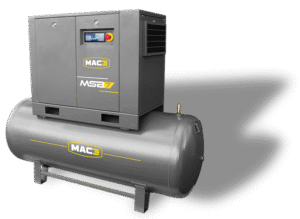
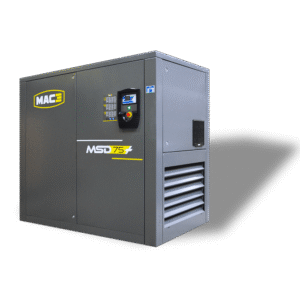
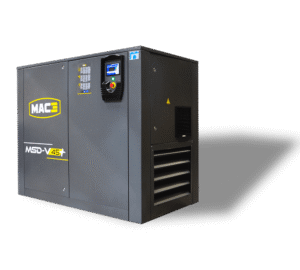
Compressed air for engineering: compare MAC3 ranges
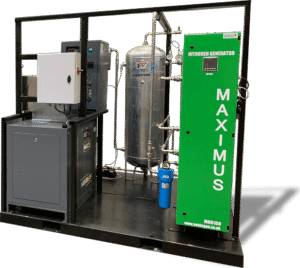
Compressed Air For Engineering Malaysia: 7 best planning checks
Use these checks to prepare a proposal for machine builders and system integrators. Keep documented requirements separate from assumptions, and ask the offer to identify the exact model and relevant technical information.
For compressed air for engineering Malaysia enquiries, begin with the machine or production process specification. State the required inlet pressure, documented air consumption, air-quality limits and operating cycle. Identify whether the readings describe one machine or the whole workshop. Attach the equipment supplier’s data sheets and record the units and reference conditions used.
Show normal use, short peaks and simultaneous machine operation as separate cases. An intermittent actuator duty and a continuous process load should not be combined into an unexplained single number. If reliable consumption data are missing, identify the gap and ask whether measurement or further technical review is needed. A clear demand schedule helps the supplier explain the proposed equipment selection without treating motor power as a complete description of delivered air.
Keep planned machines separate from installed production so both current and future requirements can be reviewed.
List the electrical supply, piping connection and controls information for the machine or system being integrated. Include any signals the project requires between the production equipment and the air-supply package. Ask the proposal to confirm which interfaces and functions are supported by the exact offered configuration.
A compressed air for engineering project may involve a machine builder, compressor supplier, installer and customer controls team. Identify who provides each connection and who confirms compatibility. Mark unresolved items in the project brief rather than assuming another contractor includes them. If existing equipment remains, provide its model information and relevant interface documents.
Before ordering, have the parties review the same accepted interface schedule. Record changes in one place so a revised controller or machine specification does not leave purchasing and installation teams working from different assumptions.
Ask the offer to identify the compressor, receiver, dryer, filters, drains and controls included for the stated machine duty. Separate new supply from retained components and customer-provided equipment. Review the package against the required pressure and air quality at the agreed point of use.
When comparing compressed air for engineering applications, a compressor-only price should not be treated as the installed cost of the complete arrangement. Ask for connection work, accessories, delivery and commissioning to be identified separately where applicable. Keep the selected model and performance documents beside the commercial comparison.
If a machine builder requests an alternative configuration, ask the supplier to explain the changed equipment and scope before accepting a revised price. This makes differences between offers visible and avoids assuming that every package shown in a catalogue contains the same auxiliaries.
Provide a layout showing the machine, proposed compressor position, treatment equipment and retained air route. Include space restrictions, delivery access, available utilities and the expected installation window. Request dimensions, weight, connections and applicable operating-environment information for the equipment actually offered.
Review compressed air for engineering installations with the team responsible for the site work. Ask it to consider the manufacturer’s requirements and access for routine inspection and maintenance. Distinguish supplier delivery from unloading, positioning, electrical work and piping. State which preparations the customer must complete before the installation visit.
If the work must fit a production shutdown, identify the permitted work period and any machines that must remain available. Keep these constraints in the written scope rather than treating a tentative delivery date as an agreed installation programme.
Describe how the existing compressors and production machines operate together. Identify regular shifts, standby arrangements and any change in demand through the working day. If the enquiry includes control integration, ask the proposal to identify the supplied controller, supported functions and work needed to connect retained equipment.
For compressed air for engineering projects, avoid assuming that a general product-family description confirms every control feature. Request the documentation for the exact configuration and state who is responsible for reviewing the production interface. Keep optional monitoring or communication functions separate from the base offer where relevant.
Agree which operating information will be handed to the site team and how configuration changes will be recorded. The aim is a clear description of the accepted arrangement, not an unsupported promise that one control strategy suits every machine or factory.
State what the machine or process owner needs to review before the installation is accepted. Ask the quotation to identify the applicable checks, operating conditions and supplied records. Distinguish manufacturer information from any site-specific verification included in the project. Confirm customer preparations and the responsible party for each agreed activity.
Compressed air for engineering acceptance should be tied to the agreed equipment and process scope. If a requirement needs further clarification from the machine supplier, keep it open until the responsible parties confirm it. Do not substitute a broad catalogue rating for an unresolved point-of-use requirement.
Retain the accepted equipment schedule, interface documents and agreed handover records together. Where an issue remains at commissioning, record the action, owner and next review rather than allowing an informal conversation to become the only project record.
Request the operating and maintenance documents applicable to the supplied compressor and auxiliaries. Keep model and serial references available for later service and parts enquiries. Ask which initial consumables, warranty conditions and local support tasks are included and which services require a separate proposal.
When reviewing compressed air for engineering costs, compare the same package boundary and operating assumptions. Itemise equipment, installation, delivery and any agreed follow-up work in RM. Confirm quotation validity, exclusions and timing in writing. Avoid assuming that the lowest compressor-only price represents an equivalent installed system.
If production may expand, describe the expected additional machine duty separately and request review of that scenario. Record subsequent changes in the project documents so the maintenance team can distinguish the original configuration from later additions.
Compressed air for engineering: buyer questions
Send the machine specification, expected operating schedule, available consumption information and the required connection details. Include a layout and identify the person responsible for confirming the process requirements. Label outstanding assumptions so the supplier can distinguish confirmed duty from information still being reviewed.
For a replacement, attach the existing equipment nameplates and explain what is changing: the machine, operating hours, production rate or available installation space. Ask for a written list of further information needed before final selection. This gives the compressed air for engineering proposal a defined starting point without pretending that a short sales enquiry is a completed technical assessment.
Yes, but compare the same required duty and a clearly stated scope. A standard compressor offer may leave treatment, receiver arrangements, installation and controls integration to other parties. An engineered package may include some of those items, but its quotation must still identify them explicitly.
Use an equipment and responsibility schedule to record the differences. Keep optional features separate and request supporting information for the proposed operating point. For a custom scope, review the compressed air engineering solutions page. Do not assume that the word turnkey means every site task, document or third-party interface is included.
Issue one dated requirements sheet with the process duty, installation constraints and requested package scope. Give each supplier the same drawings and supporting records. Record clarifications in a shared question list and distribute any requirement changes consistently before comparing revised quotations.
Ask offers to identify deviations and exclusions rather than hiding them in separate email discussions. Have the production, purchasing and maintenance teams review the accepted version together. This approach helps a compressed air for engineering Malaysia project retain a traceable record from the original enquiry through equipment selection and handover, even when several contractors contribute to the final arrangement.
What should the written quotation include?
For compressed air for engineering projects, request the exact equipment, included components, delivery terms, warranty and any installation or service responsibilities. Provide your actual Malaysia site location and required timing. Itemised pricing and stated exclusions help your team compare equivalent offers.
What documents help a compressed air for engineering enquiry?
Provide the required flow, pressure, air quality and operating cycle. Identify assumptions still needing confirmation. Define electrical, piping, controls and communication requirements for the actual project. Ask the supplier to confirm supported interfaces. Keep the relevant equipment records and process specifications with the accepted proposal.
For related enquiries, see maintenance and spare-parts support. Manufacturer information is available from MAC3.
Call +60 12-599 9674 or +60 12-275 7317 to discuss your requirements with Vortex Compressors.