
Compressed Air Energy Audit Malaysia
Assess Your Compressed-Air System with MAC3 AuditAir
Compressed Air Energy Audit Malaysia. Define a compressed air energy audit Malaysia enquiry around a measurable question: demand, pressure, operating cost or replacement planning. Agree the measurement and reporting scope before comparing improvement proposals.
Table of Contents
Toggle
Define the Measurements Needed for Your Audit
Measure, analyze and optimize your installations
Agree the audit scope before measurements begin
- Equipment and production areas included in the assessment.
- Measurement points, parameters and logging duration.
- Normal shifts, low-demand periods and production peaks to capture.
- Site access, installation arrangements and reporting responsibilities.
- Required findings, data files and follow-up discussion.
Compare improvements against a measured baseline
Ask the report to distinguish observations, assumptions and proposed actions. Any estimated savings should state operating hours, energy-price assumptions and the comparison method. A percentage saving should not be presented as a guaranteed outcome before the actual system is assessed.
Connect the findings to your equipment enquiry
If considering replacement capacity, use the compressor sizes guide alongside the measured duty. Review air treatment and maintenance requirements as part of the wider system assessment.
Our Commitment to You
Discuss your Malaysia project with Vortex Compressors. Call +60 12 275 7317 or send your requirements on WhatsApp. Include the site location, existing equipment and required work. The quotation confirms the scope, price, availability and timing.
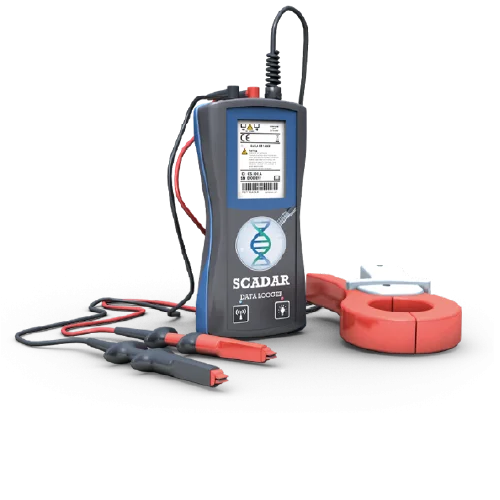
MAC3 AuditAir Pack
Ask the proposal to list the recording equipment and sensor ranges included for your site. Specify whether pressure, electrical measurements, flow, temperature or dew point are required and explain the operating question each measurement addresses. Confirm the installation duration, data access and any additional instruments or work charged separately.
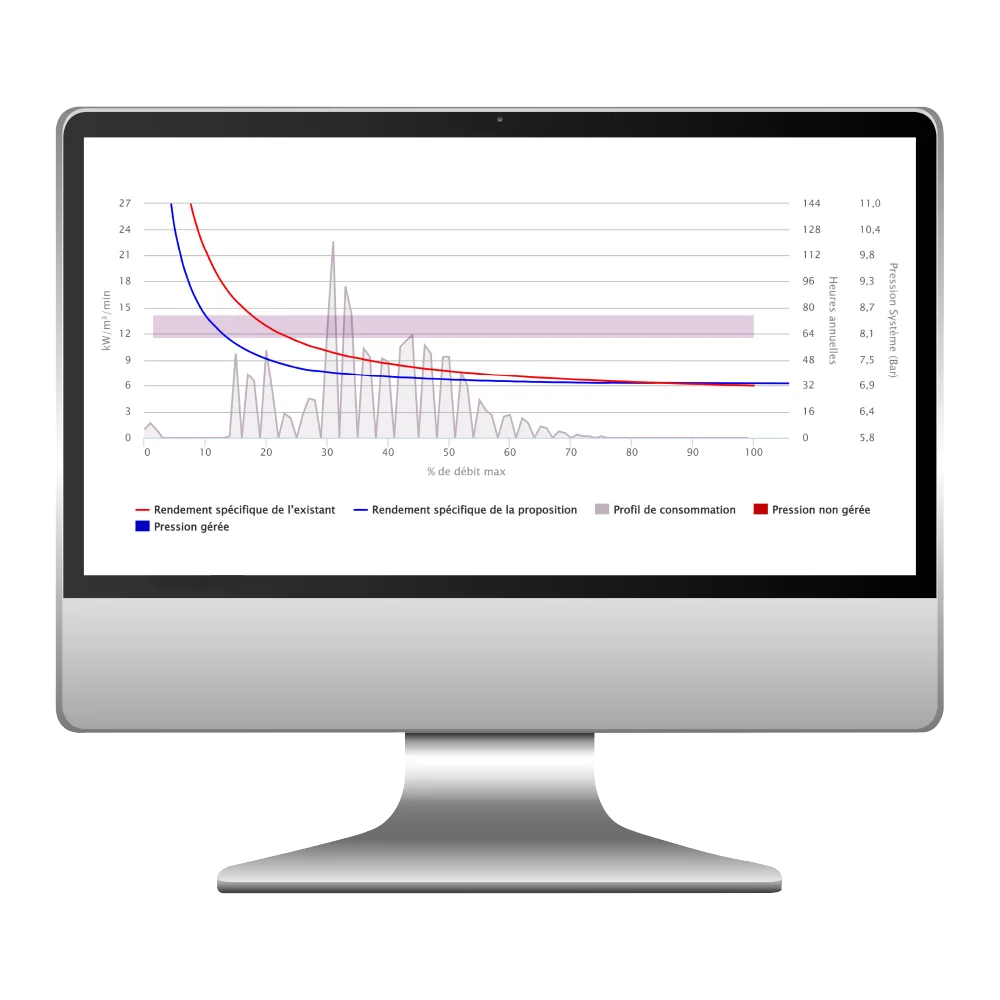
An Intelligent Platform For Data Processing And Analysis
Confirm how the measured data will be processed, what report will be supplied and whether raw data or exported charts are included. Ask about access duration, software or subscription terms and the follow-up review. The audit quotation should identify the deliverables rather than assuming that every platform feature is included.
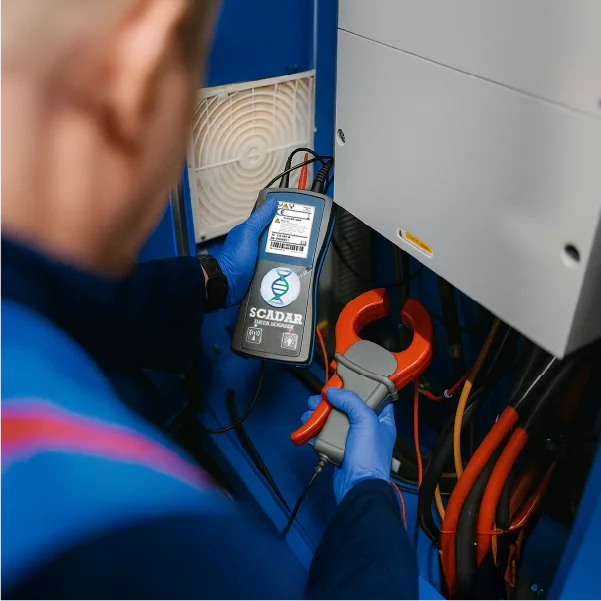
Why Choose MAC3 For Your Energy Audits?
Define the MAC3 AuditAir measurement and reporting scope around the decisions your team needs to make. Ask the proposal to identify the instruments, logging coverage, supplied data, analysis and follow-up review. Confirm any separate work required to implement or verify recommendations.
Our Commitment to You
Discuss your Malaysia project with Vortex Compressors. Call +60 12 275 7317 or send your requirements on WhatsApp. Include the site location, existing equipment and required work. The quotation confirms the scope, price, availability and timing.
Compressed Air Energy Audit Malaysia: 7 best selection checks
Use the following checks to compare the actual equipment and supplied package. Keep documented requirements separate from assumptions, and ask the offer to identify the exact model and relevant technical information.
A compressed air energy audit should start with the decision your team needs to make. Examples include understanding demand, investigating pressure variation, reviewing controls or assessing a proposed compressor replacement. Describe the concern, the affected production areas and the information already available. Distinguish observations from suspected causes.
Ask the audit proposal to explain which measurements address the stated question and what the report will deliver. Keep a defined assessment boundary so a system-wide review is not confused with a short measurement at one machine. Agree what remains outside the scope and which decisions may require further investigation. This gives the site team a clear basis for comparing audit offers.
List compressor models, motor ratings, working pressure settings and the role of each machine. Include controllers, receivers, dryers, filters and major production users. Explain which equipment runs together, any retained standby arrangement and the expected working schedule. Provide available maintenance and previous measurement records.
For a MAC3 AuditAir enquiry, identify the areas and equipment to be included and the production activity expected during the measurement period. Keep planned expansion separate from the existing baseline. A useful compressed air energy audit inventory should allow the report to identify which system and operating conditions its findings describe, rather than attributing all plant energy use to one compressor.
Ask which parameters will be recorded, where the measurements will be taken and how long logging will continue. Specify whether the enquiry needs pressure, electrical measurements, flow, temperature or dew point, and explain the operating question behind each request. The proposed instruments and ranges should suit the agreed measurement task.
Include representative shifts, production peaks, breaks and low-demand periods in the plan. Confirm site access, installation responsibilities and any shutdown needed for the proposed work. Ask how missing or unusual operating periods will be identified in the report. Keep the agreed measurement locations, duration and coverage with the audit scope so the data can be interpreted in the right context.
For a compressed air energy audit cost estimate, agree the operating hours, electricity-rate assumptions and measurement boundary used in the calculation. Distinguish measured package input from estimates based on motor ratings or other assumptions. Record the production conditions and pressure associated with the baseline.
Ask the report to show how annual figures are derived from the available measurements and what limitations apply to extrapolation. If several machines or auxiliaries are included, identify their treatment in the calculation. Keep measured data, assumed hours and tariff inputs separate so the team can review each part. Avoid using a fixed saving percentage as a substitute for an installation-specific comparison.
Ask the compressed air energy audit report to compare proposed changes against the same baseline and process duty. Potential scenarios may involve controls, pressure, leaks, treatment or equipment replacement, but each proposal should identify its own evidence and assumptions. State the required delivered air and point-of-use conditions so the comparison does not rely on reducing necessary production service.
For each scenario, request the estimated operating effect, implementation scope and relevant cost assumptions. Separate measured findings from projected savings and identify dependencies that need confirmation. Where several improvements interact, ask how the estimate avoids counting the same effect more than once. Keep proposed investment and any payback calculation traceable to the stated assumptions.
Ask the MAC3 AuditAir proposal to identify the report, charts, source data and follow-up discussion included. Confirm whether raw or exported readings will be supplied, their format and any access duration or software terms. The scope should identify the actual deliverables rather than assume that every platform feature is included.
A useful report distinguishes observations, measurement limitations, assumptions and recommendations. Ask for the equipment boundary and production coverage to be stated alongside the findings. Where an issue needs further investigation, have that uncertainty recorded clearly. Agree who will receive and review the documents internally and what information the site must provide for the assessment.
A compressed air energy audit does not automatically include implementation of every recommendation. Ask the written offer to distinguish measurement and reporting from repairs, controls changes, equipment supply or further investigation. Identify any separate proposals needed before work proceeds and confirm the responsibilities of the site team.
Agree how improvements will be checked after implementation if verification forms part of the project. Use comparable operating conditions, measurement boundaries and production information when reviewing before-and-after results. Request an itemised RM quotation for the audit scope, with timing, access requirements, deliverables, exclusions and follow-up arrangements stated. Retain the accepted scope, baseline data and final report together for later decisions.
Practical buyer questions
Keep a simple production diary alongside the agreed logging work. Record shift start and finish times, major line stops, unusual jobs and equipment taken out of service. Add the time of any observed pressure concern and identify the affected area. The diary gives the reviewer context for discussing the readings and deciding which operating periods need closer attention.
For example, a low-demand weekend and a busy weekday should be labelled clearly in the project records. Ask the report to identify which periods support its conclusions and which need further confirmation. This is a practical information checklist; the actual measurement method and interpretation belong in the agreed audit scope.
Put the measurement boundary, included equipment, logging duration, site visits and reporting deliverables into one comparison sheet. Ask each provider to identify customer preparations, access needs and any separate charges. A quotation for one short measurement should not be compared only on price with a broader assessment of several operating periods and machines.
List unresolved questions before approving the order. Confirm whether the team receives a report discussion, usable data exports or a later verification visit when those are required. Record exclusions explicitly. For a compressed air energy audit Malaysia project, the agreed evidence and deliverables are a clearer basis for procurement than the number of charts promised in a brochure.
Create an action register with each recommendation, the evidence supporting it, the person responsible and the next decision required. Separate work ready for a quotation from proposals needing more investigation. Keep operational requirements and any production constraints visible when deciding the order of implementation.
Where follow-up measurement is agreed, retain the original baseline, equipment boundary and production diary so the later review can explain changes in operating conditions. If the factory adds a line or changes its working hours, record that alongside the comparison. This helps the team distinguish an implemented improvement from a change in production activity and keeps later investment decisions connected to the report.
What should the written quotation include?
Ask for the exact equipment, included components, delivery terms, warranty and any installation or service responsibilities. Provide your actual Malaysia site location and required timing. Itemised pricing and stated exclusions help your team compare equivalent offers.
What documents help the enquiry?
State the decision the audit should inform and the concerns already observed. List compressor models, control arrangements, treatment and major air users. Keep the relevant equipment records and process specifications with the accepted proposal.
For related enquiries, see maintenance and spare-parts support. Manufacturer information is available from MAC3.
Call +60 12-599 9674 or +60 12-275 7317 to discuss your requirements with Vortex Compressors.