
Two Stage VSD Compressor Malaysia
90 to 315 kW
Two Stage VSD Compressor Malaysia. Compare the MAC3 MSTS-V 90–315 kW two-stage VSD range for your Malaysia enquiry using the exact model’s documented performance. Provide the required flow, pressure and operating conditions, then review the complete compressor or treatment package.
Table of Contents
Toggle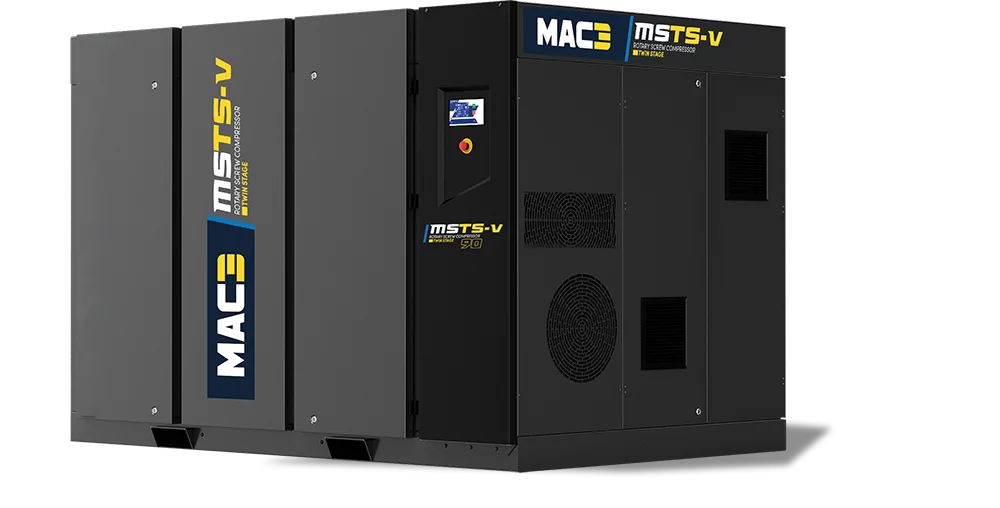
MAC3 MSTS-V 90–315 kW: define the enquiry
MAC3 lists the MSTS-V two-stage variable-speed family in the 90–315 kW category. For a factory proposal, provide available demand records, working hours and which existing compressors will remain. Ask how the proposed controls will operate with the retained equipment.
Manufacturer reference: MAC3 equipment information. Use current documents for the machine being offered; catalogue illustrations do not confirm local stock or the final supplied package.
two stage VSD compressor Malaysia quotation checklist
- Required airflow at the stated operating pressure.
- Working hours, demand profile and simultaneous loads.
- Existing equipment and planned expansion.
- Receiver, dryer, filtration and controls required.
- Site access, electrical supply and installation responsibilities.
Compare the complete RM offer
Ask for itemised pricing in Malaysian ringgit, with applicable taxes, delivery, included equipment, installation responsibilities and commissioning scope stated. Confirm quotation validity, lead time and warranty terms. Compare each proposed configuration using its own performance reference and supplied scope.
Plan service and supporting equipment
Confirm the operating instructions, consumables, warranty conditions and parts-enquiry process for the actual equipment. Discuss maintenance requirements before ordering and identify responsibilities for handover and routine checks.
Use the compressor size index and screw-compressor guide to prepare comparison questions. Final suitability, availability and commercial terms are confirmed in the written offer.
VSD compressor price and package comparison
Use the Malaysia compressor price guide to compare the same supplied scope. Identify the compressor, receiver, dryer, filters, controls, delivery and commissioning separately. Confirm the exact two-stage configuration and keep optional items visible in the offer.
Variable-speed compressor buyer questions
Is VSD always the lowest-cost choice?
Compare proposals using the actual demand pattern, pressure and working hours. Ask the supplier to explain minimum-flow operation and control behaviour alongside any existing machines. A technology label does not establish a universal saving.
Which performance figures should be compared?
Use the offered model’s airflow range and package input-power reference at the required pressure. Keep motor power, delivered airflow and annual electricity estimates as separate quantities.
What belongs in the installation scope?
Confirm electrical supply, ventilation, service access, pipework, treatment equipment and handover responsibilities. Identify work assigned to the buyer or another installer before comparing totals.
Compare the complete rotary screw range, air treatment and receiver tank guide when planning the complete system.
HIGHLIGHTS
Performances
MAC3 publishes potential savings compared with single-stage equipment for this range. Ask for a comparison applicable to the proposed model and operating pattern. Confirm noise information, ambient limits, cooling requirements and optional equipment in the current documentation.
Ergonomic
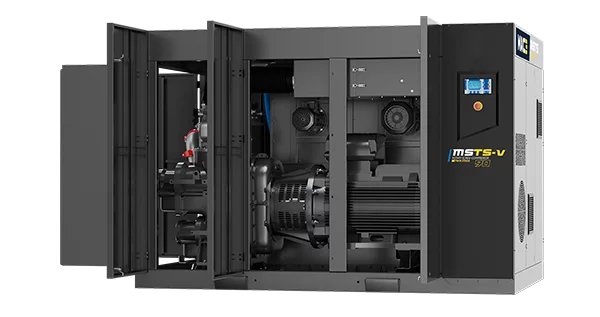
- Streamline your maintenance routines with a design optimized for easy access and servicing.
- Manage and monitor your system effortlessly via an intuitive electronic control with an LCD display.
Request a 90–315 kW two-stage quotation
Call Vortex Compressors on +60 12 275 7317 or send your Malaysia requirements on WhatsApp. Include the operating duty and site location. Request the exact model, supporting documents, RM price and written delivery, warranty and service terms.
EQUIPMENT
WEG motor
- Benefit from robust protection and reliable operation with IP55 and class F insulation.
- Ensure superior energy efficiency with IE4 compliance.
Direct drive
- Ensure reliable and efficient power transmission with a flexible coupling.
- Protect critical components and enhance safety with robust bell housing coupling protection.
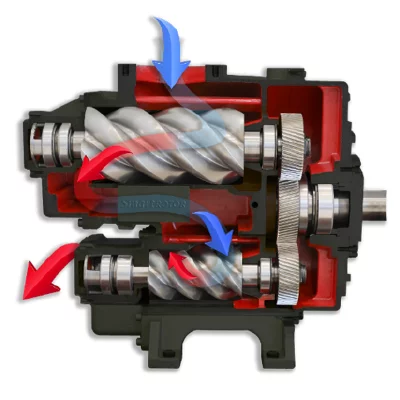
Twin-stage lubricated screw
- Achieve higher output and enhanced productivity with increased capacity.
- Benefit from reduced wear and quieter operation due to a low rotation speed.
- Enjoy extended operational life and reduced replacement costs with a long life expectancy.
Premium cooling system
- Maintain optimal operating temperatures with separate air and oil cooling systems.
- Ensure efficient heat dissipation with a high-performance cooling turbine.
- Achieve precise thermal management and energy savings through control by a frequency inverter.
SMARTRONIC PLUS electronic controller
- Stay ahead of issues with proactive alarm notifications and preventive maintenance scheduling.
- Gain flexibility with remote control capabilities and a programmable weekly timer for optimized operation.
- Experience intuitive system management via a user-friendly touch screen interface.
- Integrate seamlessly into your existing infrastructure with Scada communication or WEB server (RS 485).
DANFOSS inverter
The DANFOSS inverter ensures precise control and optimal energy management for peak performance.
Optimized intake system
- Improve air quality and system health with the intake of fresh ambient air.
- Protect internal components and ensure cleaner air with filtration down to 3 microns.
- Experience consistent performance and simplified upkeep for easier maintenance.
TWIN-STAGE SCREW
Compare the documented airflow and input-power reference for the proposed two-stage machine. Manufacturer percentage comparisons are not measurements of your installation; request the basis of any projected site saving.
FIELDS OF APPLICATION


Two Stage VSD Compressor Malaysia: 7 best selection checks
Use the following checks to compare the actual equipment and supplied package. Keep documented requirements separate from assumptions, and ask the offer to identify the exact model and relevant technical information.
This two stage VSD compressor Malaysia category covers the MAC3 MSTS-V 90–315 kW range shown on this page. Keep its documentation separate from the smaller MSTS-V category when reviewing a particular proposal.
Ask the supplier to identify the exact model, configuration and required operating point. Keep offered options and substitutions visible in the equipment schedule. A shared family name or a similar photograph does not establish that different model sizes have identical delivery, control functions or installation requirements.
Provide required airflow, delivery pressure and annual operating hours. Explain the shift pattern and identify production equipment operating at the same time. Include the location and conditions of any pressure or demand measurements.
For a replacement or expansion, describe the current compressor arrangement and the problem the new MAC3 MSTS-V must address. Keep estimates separate from confirmed process data. Ask what additional information is needed before final selection. The previous machine’s motor rating alone does not describe every requirement of the revised installation.
A VSD enquiry should describe how factory demand changes through representative production periods. Identify sustained demand separately from short peaks and explain when major air users stop or restart.
Request performance information for the offered MSTS-V configuration relevant to those operating conditions. Ask the supplier to explain the basis for its selection and any assumptions still awaiting confirmation. Keep comparison conditions consistent between alternatives. A variable-speed label does not establish one universal saving or prove suitability for every possible demand pattern.
List retained compressors and any existing supervisory controller or monitoring requirement. Ask how the MAC3 MSTS-V will be operated within the proposed system and which controller functions are actually included.
Identify electrical interfaces, coordination work and modifications to retained equipment separately from compressor supply. Confirm responsibility for each task and how the accepted arrangement will be documented at handover. Keep changes made during installation with the final project records so the operating team receives the agreed system information rather than an earlier concept.
Provide the air-quality requirement of the production process. Include current dryers, filters, drains and receivers in the equipment schedule if they are to remain after the new compressor is installed.
Ask the MSTS-V proposal to identify treatment equipment and the selection conditions used for the offered duty. Confirm connections and included accessories in the written scope. For a controlled process, have the responsible team review essential documentation before purchase. The compressor technology description does not replace a review of the complete air-treatment and distribution arrangement.
Send the intended equipment location, access route and available site utilities. Request model-specific dimensions, electrical information, ventilation requirements and service clearances for the responsible site team to review.
Separate delivery, unloading, positioning, piping and commissioning in the offer. State shutdown and access restrictions, and identify the site contact coordinating readiness. Keep work assigned to other contractors and schedule dependencies visible. An equipment-only price and a complete installed package should not be treated as equivalent scopes merely because they refer to the same compressor family.
Request the operating assumptions behind any energy-cost projection for the MAC3 MSTS-V proposal. Keep the baseline, annual hours, electricity rate, performance data and supplied scope together. Agree reporting conditions beforehand if a later performance assessment is included.
Ask for applicable operating and maintenance documents, consumable references, warranty terms and service arrangements for the factory location. Record the supplied model and serial number at handover. Retain accepted variations and later reports together so future purchasing or service enquiries refer to the correct machine and current installation.
How should an expansion project be described?
Provide the present equipment list, current working pattern and confirmed additional production requirement. State which compressors and treatment components will remain. Describe the intended shutdown window and any restrictions affecting work in the compressor room.
Ask the proposal to explain the role of the new MSTS-V within that arrangement. Record the supplied controls, integration work and any performance assessment separately. This gives the purchasing team a clear basis for reviewing equipment and installation alternatives.
What belongs in the final equipment schedule?
Record the actual model, offered configuration, performance-document reference, included treatment equipment and connection responsibilities. Link the schedule to the accepted quotation and its revision date. Keep optional equipment and work assigned to others visible.
If the arrangement changes during the project, retain the accepted variation with the final handover record. Ask the responsible team to identify any remaining work and its next step. Use the supplied machine identification and previous job reference when requesting later consumables or support, rather than relying on a broad range description.
What should the written quotation include?
Ask for the exact equipment, included components, delivery terms, warranty and any installation or service responsibilities. Provide your actual Malaysia site location and required timing. Itemised pricing and stated exclusions help your team compare equivalent offers.
What documents help the enquiry?
Use documents for the offered 90–315 kW model and configuration. Provide required airflow and pressure with operating-hour information. Keep the relevant equipment records and process specifications with the accepted proposal.
For related enquiries, see maintenance and spare-parts support. Manufacturer information is available from MAC3.
Call +60 12-599 9674 or +60 12-275 7317 to discuss your requirements with Vortex Compressors.