
Define the process, air duty and complete package
Compressed Air For Mining Malaysia
Compressed Air For Mining Malaysia. Prepare a MAC3 compressor enquiry using the exact pneumatic tool or process requirement, site conditions and mobility needs. A general industrial or portable compressor description does not establish approval for every mine environment.
Table of Contents
Toggle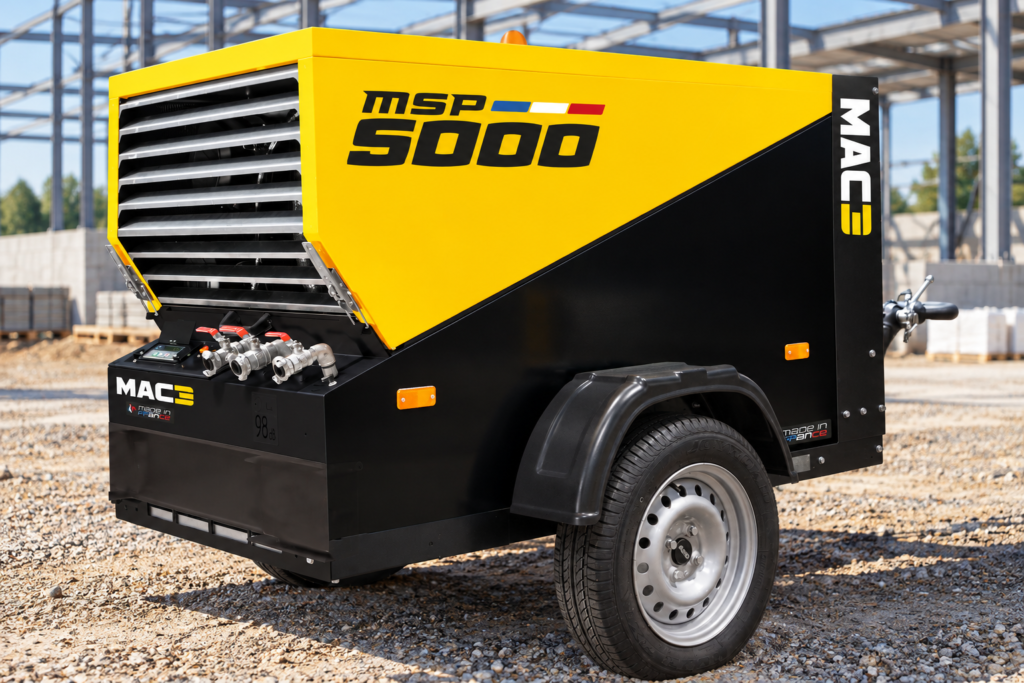
Discover our products for mines and quarries


Compressed Air For Mining Malaysia: 7 best planning checks
Use these checks to prepare a proposal for quarry and mining project enquiries. Keep documented requirements separate from assumptions, and ask the offer to identify the exact model and relevant technical information.
For compressed air for mining Malaysia enquiries, identify the actual surface-site task, work area and equipment being considered. Describe whether the requirement concerns breaking, a defined tool duty, drilling-support equipment or another process. Attach the relevant equipment specification rather than relying on the general word mining.
Keep the application and operating location explicit. A portable or industrial compressor description does not establish that a machine is approved for underground use, a hazardous area or every mine environment. State project-specific equipment requirements and ask the responsible site team to identify the documentation needed for its review.
Compressed air for mining selection should follow the documented task and proposed configuration. Keep the agreed application boundary with the enquiry so the quotation is not later treated as an unrestricted suitability statement for work it did not assess.
List each pneumatic tool model, its documented air consumption and required inlet pressure. State how many tools operate together and describe the working cycle. Keep measured readings, manufacturer figures and estimates clearly labelled. Include the units and reference conditions provided by the tool supplier.
A compressed air for mining proposal should explain which operating case the selected compressor addresses. Separate regular production demand from short peaks and planned future additions. For a replacement project, send the existing machine’s nameplate and explain whether the new equipment supports the same tools or a changed workload.
Do not treat motor power or a rounded CFM label as the complete specification for compressed air for mining. Ask the quotation to identify delivered airflow at the required pressure for the exact offered model and retain the supporting performance information with the technical schedule.
Provide the site location, equipment position, available utilities, dust exposure and relevant environmental information. Explain access restrictions and whether the compressor will remain at one location or move between work areas. Ask the supplier to confirm the proposed model’s applicable operating limits using its documentation.
Review compressed air for mining equipment together with the site layout. Identify retained equipment, hose routes and space needed for the supplied treatment or accessories. Request dimensions, weight, connections and relevant ventilation information for the actual configuration offered.
Have the responsible site team review positioning and installation within its agreed role. Keep unresolved conditions visible in the technical discussion rather than assuming that a reference photograph confirms suitability. If site conditions or the proposed work area change, request review against the original compressed air for mining selection basis.
State the documents and equipment conditions required by the project owner before approval. If a work area has special equipment or hazardous-area requirements, identify them explicitly and refer the exact proposed unit to the responsible site reviewer. Do not infer an approval from a broad product-family label, brand name or a general industrial application page.
For compressed air for mining, ask the proposal to identify the supplied model, engine or electrical version and configuration so the supporting documents can be matched to the equipment being considered. Keep any additional checks or records included in the offer separate from work that remains the customer’s responsibility.
Record unresolved requirements before ordering. This page organises compressed air for mining enquiries; it is not a certification of every unit for every mine environment or a substitute for the project’s own equipment review.
Describe access routes, delivery restrictions, positioning requirements and the proposed working location. For portable equipment, ask the quotation to identify the supplied skid, axle or trailer arrangement where offered. Keep that configuration distinct from catalogue photographs or an enquiry’s general request for a mobile compressor.
A compressed air for mining package should have clear responsibilities for transport, unloading, positioning and connection. Request the offered unit’s dimensions, weight and relevant handling information. State the production window available for delivery or replacement and identify any equipment that must remain in operation.
If the unit will move between locations, describe the intended arrangement and ask the responsible parties to review it. The accepted compressed air for mining scope should record what is actually supplied and which transport or site preparations remain outside the equipment offer.
Ask the compressed air for mining quotation to identify treatment equipment, hoses, fittings, outlets and tool accessories included for the stated duty. Separate new supply, retained items and customer-provided components. Compare the connecting arrangement and package boundary alongside the compressor’s documented performance.
For a permanent installation, include the receiver, dryer, filters and drain arrangements where relevant to the enquiry. For portable work, state the tools and required connections. Do not assume every item shown in the catalogue belongs to one package or that every listed model meets the same tool duty.
Request itemised RM pricing for equipment, delivery and agreed local work. Confirm taxes, timing, warranty conditions, quotation validity and exclusions. Keep the final technical schedule and commercial offer aligned if the compressed air for mining selection changes during review.
Provide expected operating hours, work patterns and service-access constraints. Request the applicable operating and maintenance documents for the selected compressor, treatment equipment and tools. Ask which initial consumables, wear parts and support tasks are included, and which require a separate proposal.
Keep compressed air for mining equipment references accessible to the maintenance team. For existing machinery, provide the nameplate, available history and the circumstances of any observed problem without assuming a diagnosis. Record changes in connected tools or the working schedule when reviewing service or replacement options.
Agree the documents and any commissioning records to be supplied at handover. Confirm how follow-up enquiries identify the actual model and configuration. A written compressed air for mining support scope is more useful than assuming that every operating location has the same service arrangements or that one maintenance interval applies to all equipment.
Compressed air for mining: practical questions
Provide the existing machine’s model and nameplate, connected tool list, usual operating hours and available service records. Describe the workload it currently supports and the change prompting replacement. Separate an equipment fault, planned capacity increase and a move to a new work area rather than presenting them as the same problem.
For compressed air for mining enquiries, ask the proposed replacement’s technical schedule to identify the duty and configuration being offered. Keep any retained treatment, hoses and connections visible in the scope. This lets the site team compare a like-for-like replacement with a changed package without assuming that similar motor power or a CFM class establishes equivalent performance.
Describe the current duty and likely future changes as separate cases. Identify the proposed tools, simultaneous users, work position and operating pattern for each case. Label future equipment that is not yet selected so it is not mistaken for an installed requirement.
Ask the compressed air for mining proposal to state which case it addresses and what changes would require another review. Keep transport, positioning and connection responsibilities with the equipment discussion. A clear scenario schedule is more useful than an unspecified allowance for every possible expansion. If the project changes after ordering, update the accepted technical documents before treating the original package as suitable for the revised work.
No. The product links organise potential equipment enquiries; they do not establish approval for a particular mine, underground location or hazardous area. Give the project requirements and exact proposed equipment documents to the responsible site reviewer. Keep any further information required before approval visible in the enquiry and order process.
For compressed air for mining, distinguish a general outdoor worksite illustration from model-specific evidence. Ask the written proposal to identify the offered unit, configuration and applicable documents. The portable diesel compressor guide can help organise a mobile-equipment enquiry, but it is not a substitute for the project’s own technical and equipment review.
What should the written quotation include?
Ask for the exact equipment, included components, delivery terms, warranty and any installation or service responsibilities. Provide your actual Malaysia site location and required timing. Itemised pricing and stated exclusions help your team compare equivalent offers.
What documents help the enquiry?
Identify surface breaking, drilling support or another defined duty. State the site and work area so equipment requirements can be reviewed. Provide tool models, documented air consumption and required inlet pressure. Identify how many tools operate simultaneously. Keep the relevant equipment records and process specifications with the accepted proposal.
For related enquiries, see maintenance and spare-parts support. Manufacturer information is available from MAC3.
Call +60 12-599 9674 or +60 12-275 7317 to discuss your requirements with Vortex Compressors.